Our history
Truscott: Australia's secret wartime airbase.
1944 · The far north Kimberley
The man
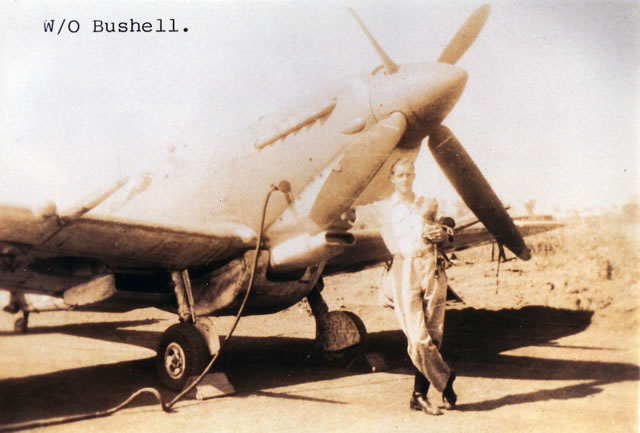
Squadron Leader Keith William “Bluey” Truscott DFC and Bar was one of Australia’s most celebrated airmen: a Melbourne footballer turned fighter ace who flew Spitfires over Europe and led his squadron in the defence of Australia’s north.
In March 1943 he died over Exmouth Gulf, Western Australia, aged 27, during a training exercise. Nine months later, work began on a new airbase that would carry his name.
The secret
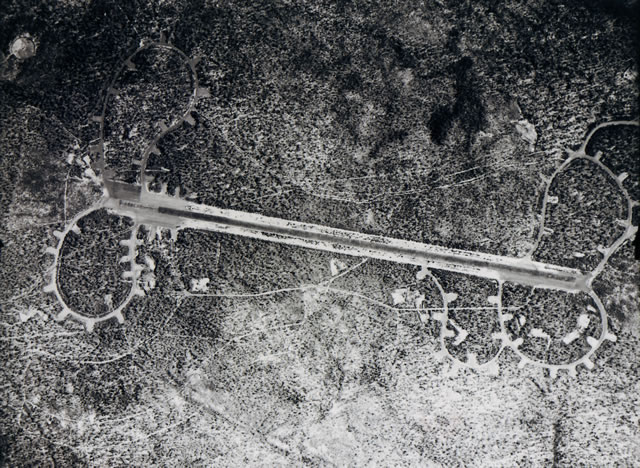
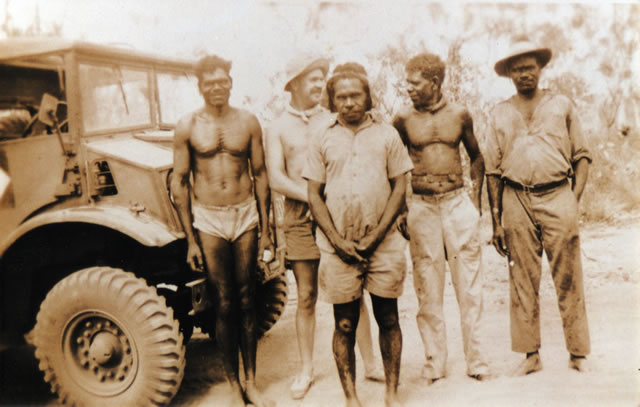
Truscott was built and operated in complete secrecy on Mungalalu country, the traditional lands of the Wunambal Gaambera people. It was not until after the war that the Australian government acknowledged the base existed at all.
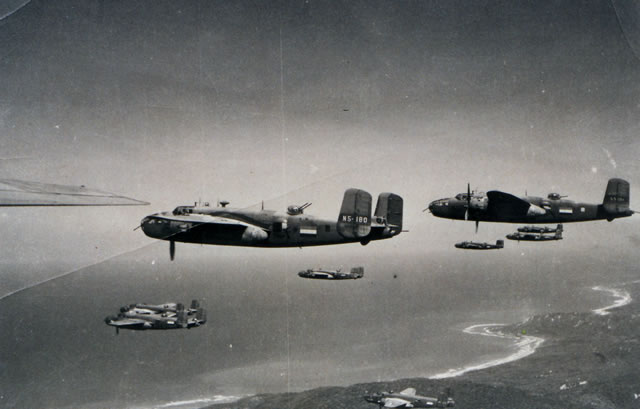
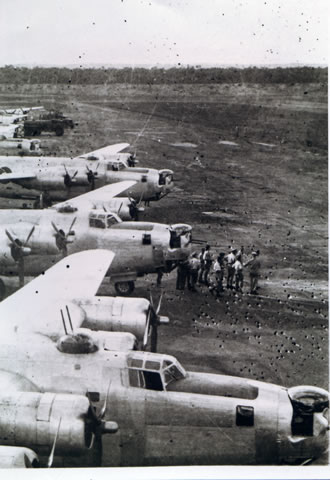
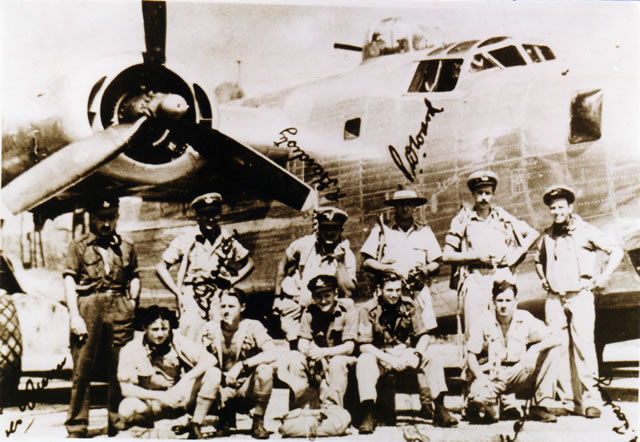
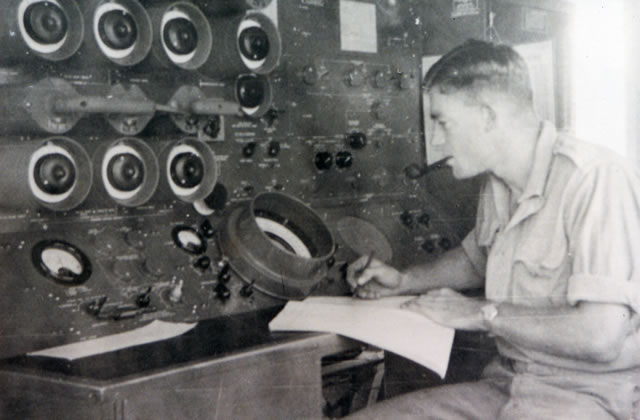
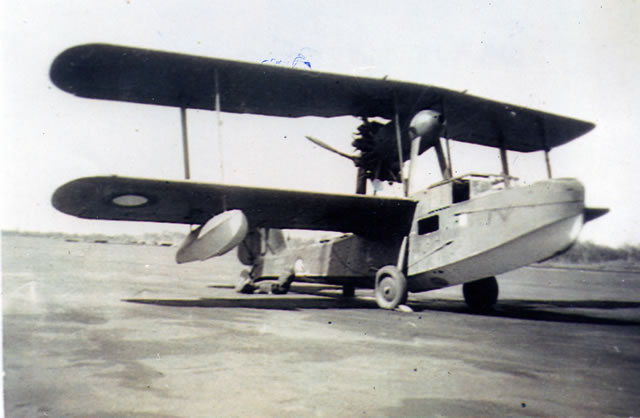
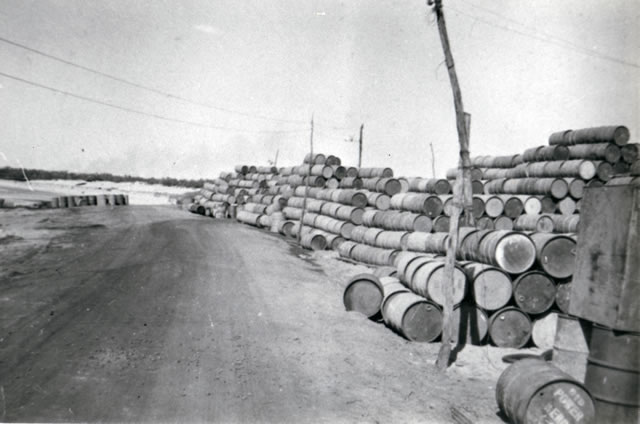
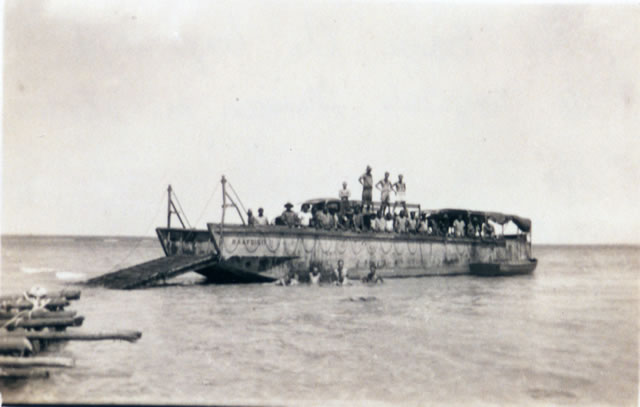
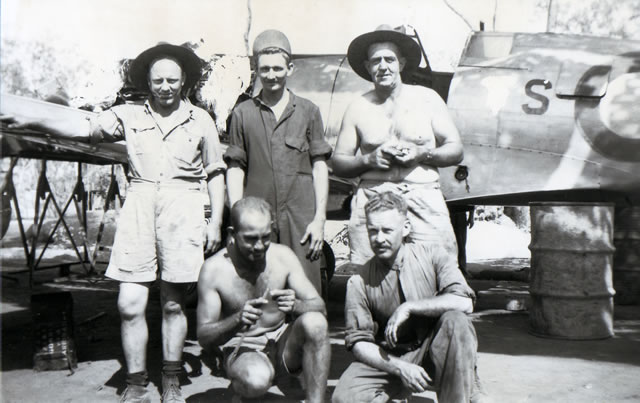
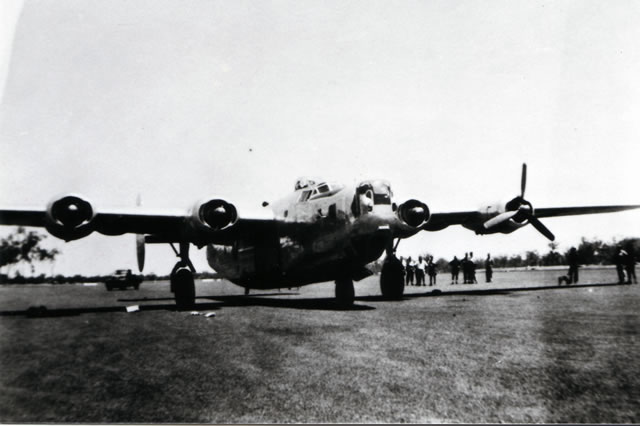
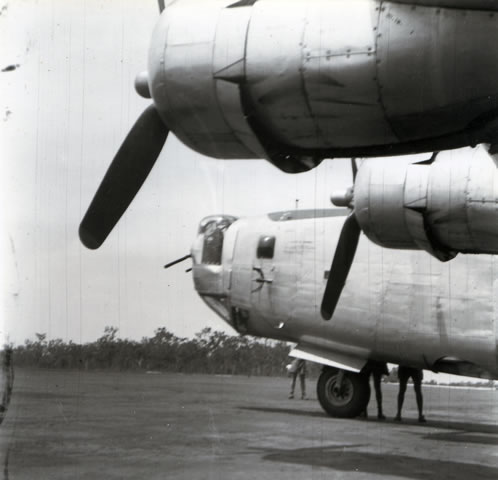
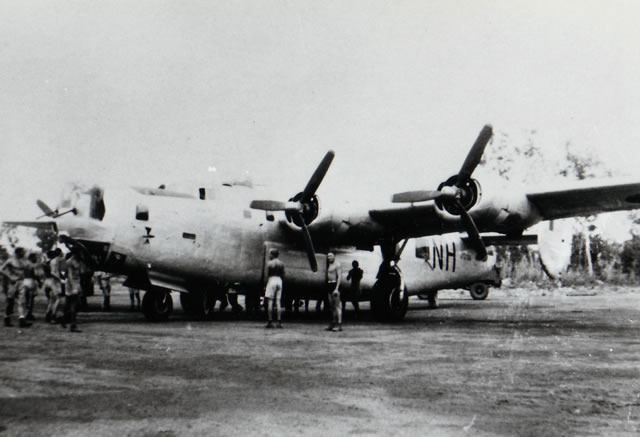
From this hidden strip, Liberators, Mitchells, Spitfires and Catalinas ranged out across the northern approaches, supplied by sea and supported by the men of 58 Operational Base Unit.
The timeline
Squadron Leader Keith 'Bluey' Truscott DFC and Bar, fighter ace, Melbourne footballer and one of the most loved airmen of his generation, dies over Exmouth Gulf during a training exercise.
Nine months later, construction begins on a secret airbase on Mungalalu country in the far north Kimberley, named Truscott in his honour. It is built and operated in complete secrecy.
Liberator and Mitchell bombers, Spitfires and Catalinas stage through the base for operations across the northern approaches, supported by the men of 58 Operational Base Unit.
The war ends on 15 August with Allied forces victorious. With little cause for armed forces to remain, the last diary entry of 58 Operational Base Unit is made some seven months later.
The airbase is handed back to the Western Australian Government, and the bush begins to reclaim the strip.
Operations resume on the historic site, 43 years after the base was forged, and the airport has made a conscious effort to preserve the relics of the era ever since.
From the archive
Heritage
Mungalalu North Kimberley Airport has been classified by the Council of the National Trust of Australia (WA) as a heritage place for its significance during World War II and the artefacts that remain on site.
The heritage of the place is cared for jointly by the airport’s operators and the Wunambal Gaambera Aboriginal Corporation, preserving the relics of an era that shaped the nation, on country that has been home for far longer.
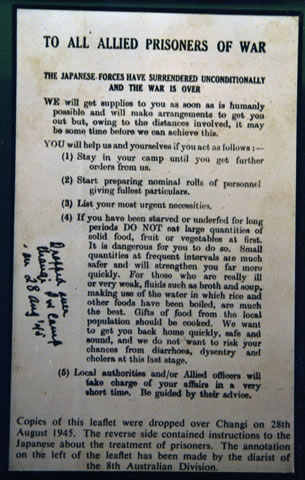
Photographs from the airbase archive. Reference: “Truscott: the diary of Australia’s secret wartime Kimberley airbase”, John & Carol Beasy.
The largest all-weather airport in the far north Kimberley operates on the same historic strip, serving the region by air, with its history preserved.
Contact Us